Education

Understanding Your Breathing

An overview of common respiratory concerns evaluated in clinic — not a self-diagnosis tool. Scroll to see different regions of the lungs come into focus.

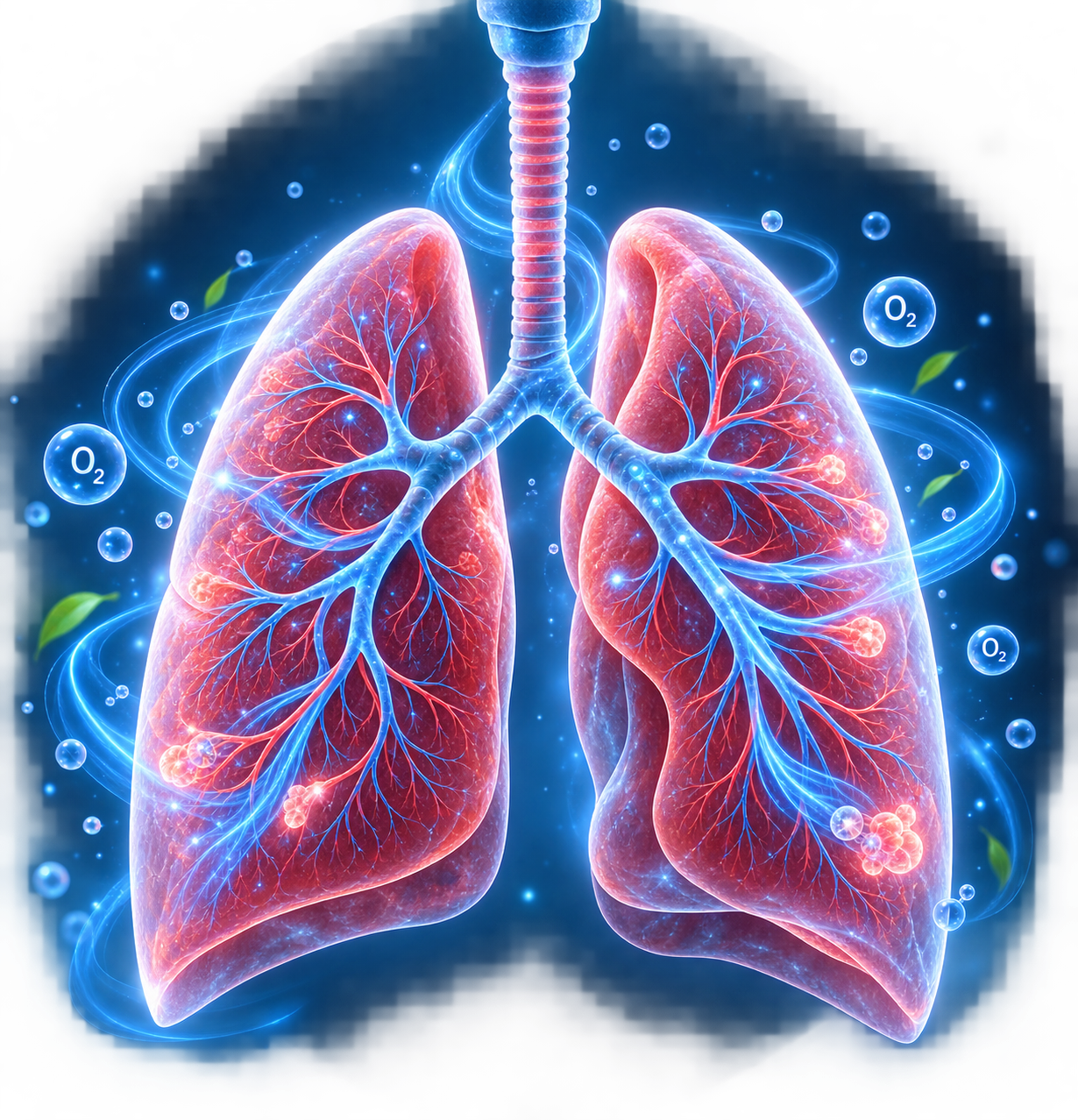
Anatomical lungs used as a visual guide to respiratory conditions

Asthma

Asthma is a long-term condition in which the airways become inflamed and narrow, making it harder to move air in and out of the lungs.

Symptoms

Wheeze or whistling breath Cough that may worsen at night Chest tightness Shortness of breath with activity or allergens

When to seek medical advice

  • Symptoms that interrupt sleep or daily activity
  • Increasing use of a reliever inhaler
  • An acute attack that does not settle promptly
  • Any episode of severe breathlessness

Typical evaluation

Evaluation may include a detailed history, physical examination and breathing tests such as spirometry. Additional tests are considered when the diagnosis is unclear.

Treatment overview

Care is individualised and may include inhaler therapy, trigger review and a written action plan. Treatment decisions are made in clinic after assessment.

COPD

Chronic obstructive pulmonary disease (COPD) describes persistent airflow limitation, commonly associated with smoking or occupational and environmental exposures.

Symptoms

Breathlessness on exertion Chronic cough Sputum production Recurrent chest infections

When to seek medical advice

  • Worsening breathlessness
  • Change in sputum colour or volume
  • Unexplained weight loss
  • Symptoms that limit walking or daily tasks

Typical evaluation

Spirometry is central to confirming airflow limitation. Imaging, oxygen assessment and other tests may be used to understand severity and related conditions.

Treatment overview

Management typically focuses on smoking cessation support, inhalers, vaccination, pulmonary rehabilitation referral where appropriate, and follow-up. Plans are tailored after clinical review.

Chronic Cough

A cough lasting eight weeks or more in adults is often described as chronic. Causes range from post-infectious irritation to airway, sinus, reflux or medication-related factors.

Symptoms

Dry or productive cough Cough that disturbs sleep Throat clearing Cough triggered by talking, cold air or scents

When to seek medical advice

  • Cough lasting several weeks
  • Coughing up blood
  • Associated fever, weight loss or night sweats
  • Breathlessness or chest pain

Typical evaluation

A structured history and examination guide which tests are needed. Imaging and breathing tests may be recommended; not every cough requires the same pathway.

Treatment overview

Treatment depends on the likely cause. Self-directed remedies are not a substitute for assessment when a cough is persistent or accompanied by warning symptoms.

Breathlessness

Breathlessness (dyspnoea) is a symptom, not a diagnosis. Respiratory, cardiac, anaemia-related, deconditioning and other causes may overlap.

Symptoms

Air hunger or tightness Difficulty completing sentences Breathlessness on stairs or walking Nocturnal or positional symptoms

When to seek medical advice

  • Sudden severe breathlessness
  • Breathlessness with chest pain, fainting or swelling
  • Blue lips or extreme fatigue
  • Symptoms that are new or rapidly worsening

Typical evaluation

Assessment may include oxygen saturation, spirometry, walking tests, imaging and, when indicated, blood tests or cardiac review.

Treatment overview

Care is directed at the identified cause. Oxygen or other therapies are considered only after clinical evaluation.

Respiratory Infections

Respiratory infections include bronchitis, pneumonia and other airway or lung infections. Presentation varies with age, immunity and underlying lung disease.

Symptoms

Fever or chills Cough, sputum or chest discomfort Breathlessness Fatigue and reduced appetite

When to seek medical advice

  • High fever with breathlessness
  • Confusion or marked lethargy
  • Symptoms in people with existing lung disease
  • Cough that fails to improve as expected

Typical evaluation

Clinical examination guides whether imaging, sputum studies or oxygen assessment are needed. Not all infections require the same investigations.

Treatment overview

Treatment is based on likely cause and severity. Antibiotics are not always appropriate. Follow medical advice after consultation.

Sleep-related Breathing Disorders

Sleep-related breathing disorders, including obstructive sleep apnoea, can disturb sleep quality and daytime alertness. They are evaluated with history, examination and, when appropriate, a sleep study.

Symptoms

Loud snoring Witnessed pauses in breathing Unrefreshing sleep Daytime sleepiness or morning headache

When to seek medical advice

  • Excessive daytime sleepiness affecting driving or work
  • Observed apnoeas
  • Resistant high blood pressure with sleep symptoms
  • Sleepiness with known heart or lung disease

Typical evaluation

A sleep study may be recommended after clinical screening. Overnight oximetry is sometimes used as an initial step, depending on the presentation.

Treatment overview

Options, when indicated, may include lifestyle measures, airway support devices or other therapies. Selection follows diagnosis and clinical review.

Allergic Respiratory Conditions

Allergic rhinitis and allergic airway disease can overlap with asthma. Symptoms often follow exposure to indoor or outdoor allergens.

Symptoms

Sneezing, itch or nasal congestion Watery eyes Cough or wheeze after exposure Seasonal pattern of symptoms

When to seek medical advice

  • Symptoms that persist despite simple measures
  • Wheeze or breathlessness with allergy symptoms
  • Sleep disruption from nasal blockage
  • Known asthma that worsens seasonally

Typical evaluation

History is the starting point. Selected patients may be offered allergy-directed testing or breathing tests when lower-airway involvement is suspected.

Treatment overview

Avoidance where practical, nasal therapies and inhalers may be discussed after assessment. Plans are individualised.

Smoking-related Lung Disease

Tobacco smoke is a major contributor to COPD, chronic bronchitis and other lung diseases. Evaluation looks at symptoms, exposures and lung function.

Symptoms

Chronic cough Breathlessness Recurrent infections Reduced exercise tolerance

When to seek medical advice

  • Any new or worsening respiratory symptom in a person who smokes
  • Coughing up blood
  • Unexplained weight loss
  • Interest in stopping smoking with medical support

Typical evaluation

Spirometry and imaging may be considered based on age, symptoms and smoking history. Screening decisions are made in clinic, not from a website.

Treatment overview

Stopping smoking is the most important step for lung health. Support and lung-disease treatment are planned after consultation.

Information provided for educational purposes and does not replace a medical consultation. Sudden severe breathlessness, chest pain or coughing up blood needs emergency care.